Ice Cubes Ruin a Good Pour
Drop two cubes into a glass of Pinot Grigio and watch what happens in four minutes. The wine goes pale, the aroma flattens, and that crisp green-apple edge turns into something closer to watered-down juice. You didn't chill the wine. You diluted it. A standard ice cube adds roughly an ounce of water, and in a five-ounce pour that's a 20% shift in the liquid you actually wanted to drink.
Red drinkers get a pass here — nobody drops ice in a Cabernet. But rosé, Prosecco, Sauvignon Blanc, and just about any white you'd serve on a 90-degree patio all want to sit between 45 and 55°F. Fridge temp is around 38°F, which is too cold and mutes the fruit. Counter temp is 72°F, which is too warm and makes the alcohol burn. The window is narrow, and ice throws you out of it.
So the real question isn't whether to chill. It's how to hold a wine at temperature without adding anything to it.
Gel-Lined Cups Beat Ice Because They Don't Melt
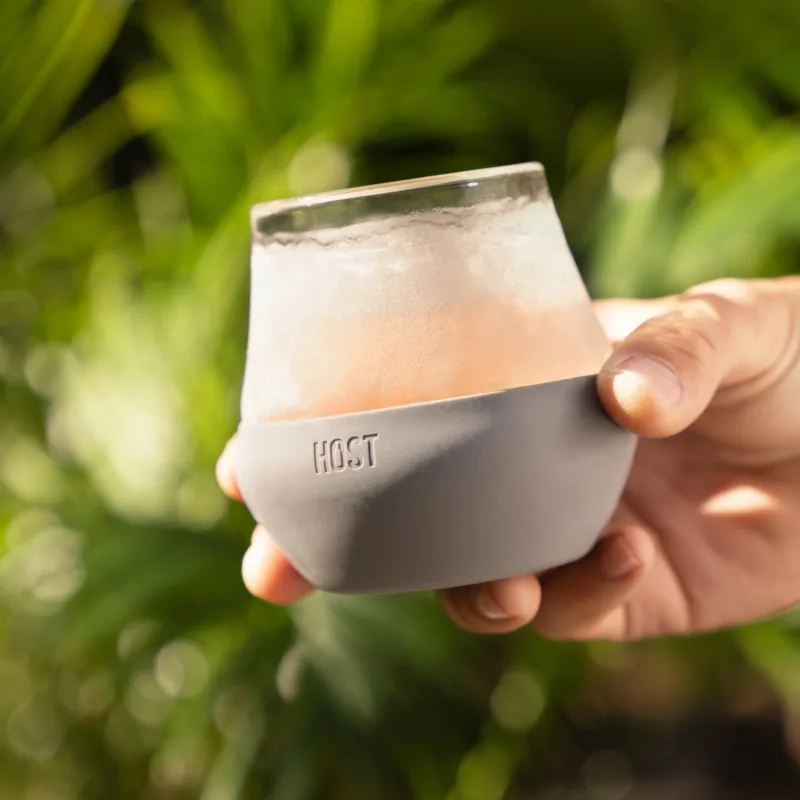
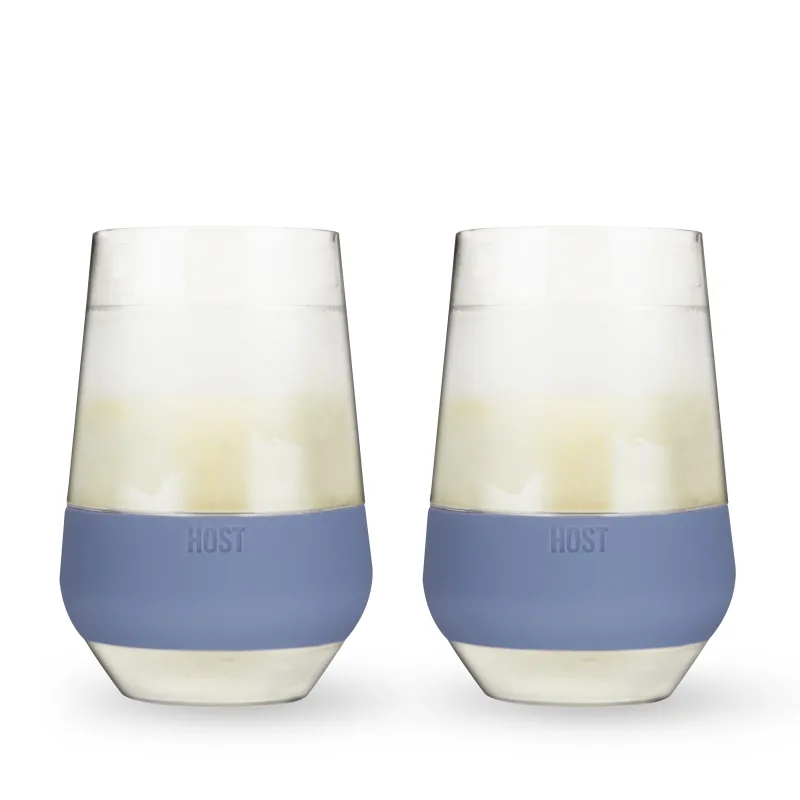
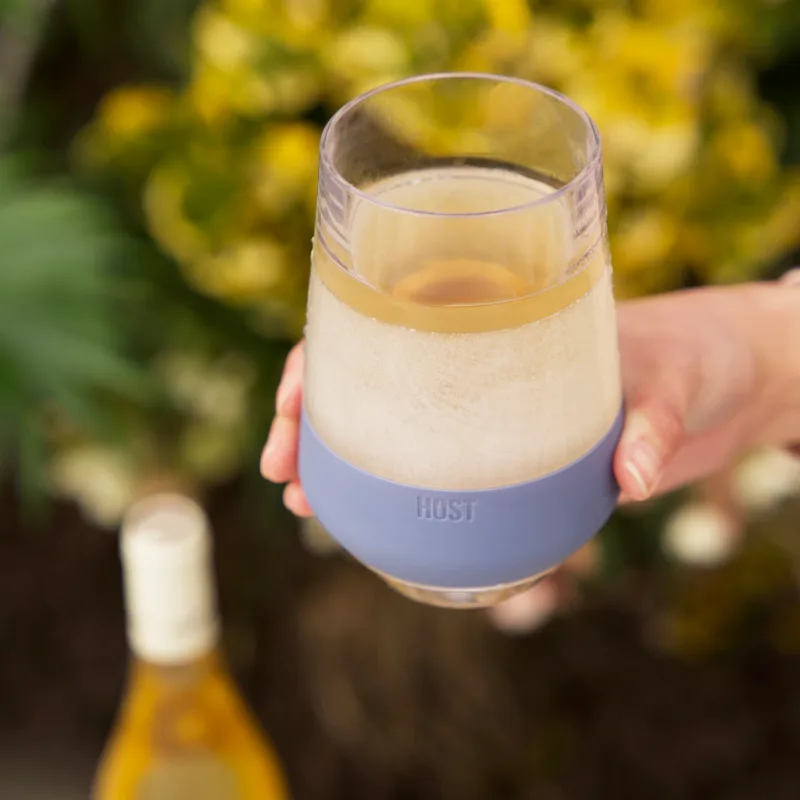
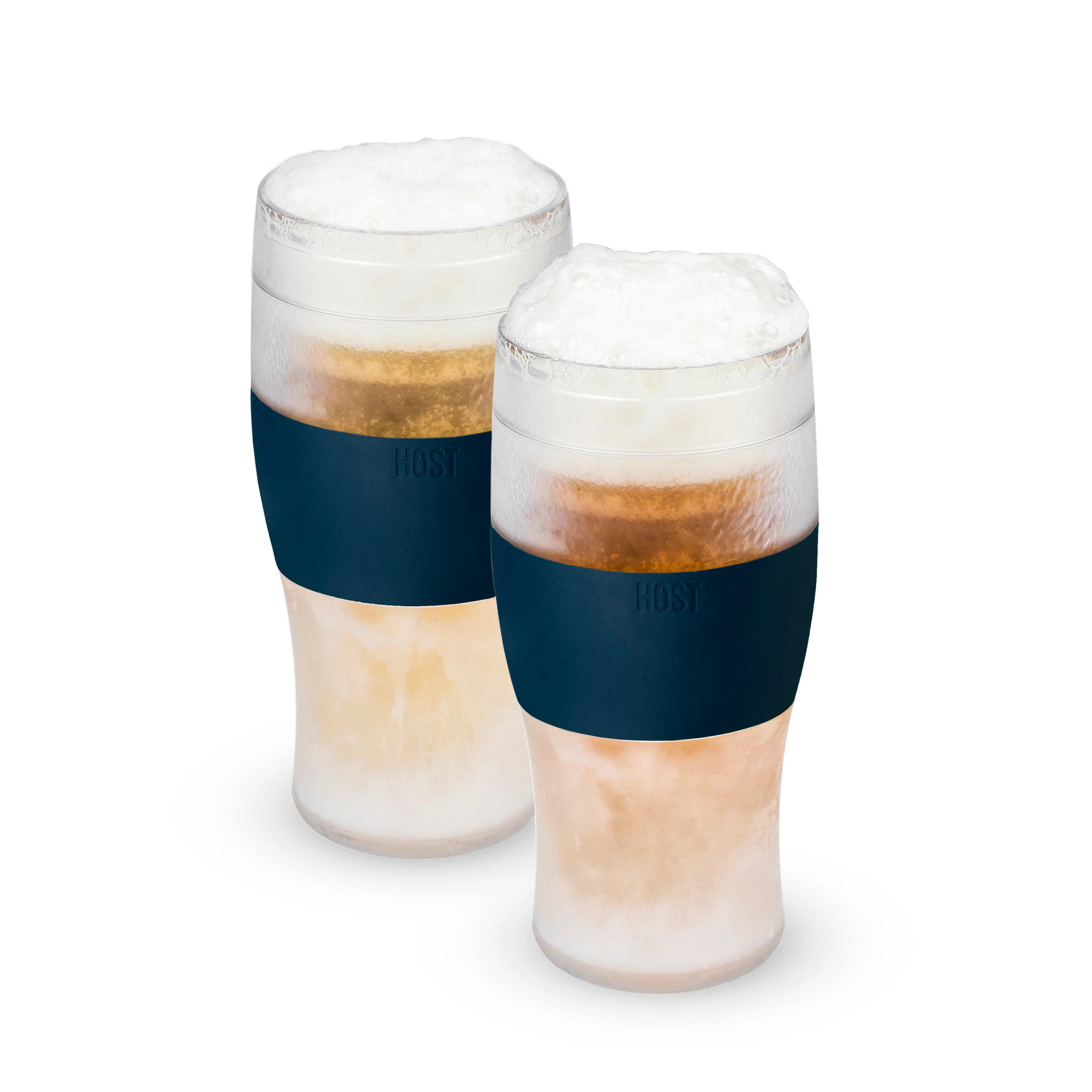
The trick behind a freeze cup is simple: the walls hold a food-safe gel that freezes solid, and that frozen wall pulls heat out of the wine through contact. Nothing melts into the drink. You get the chilling effect of ice with zero dilution.
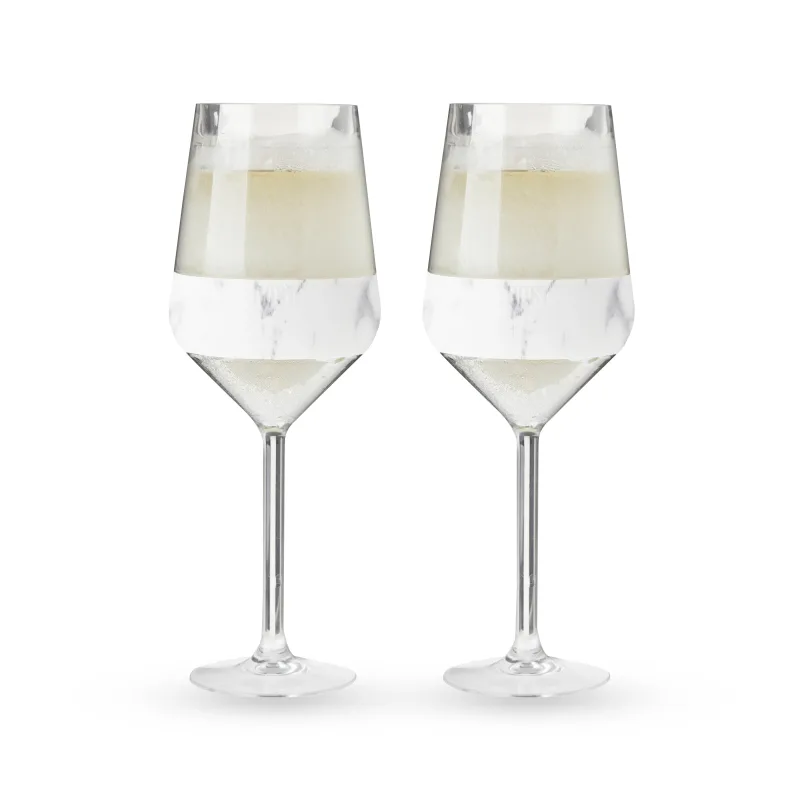
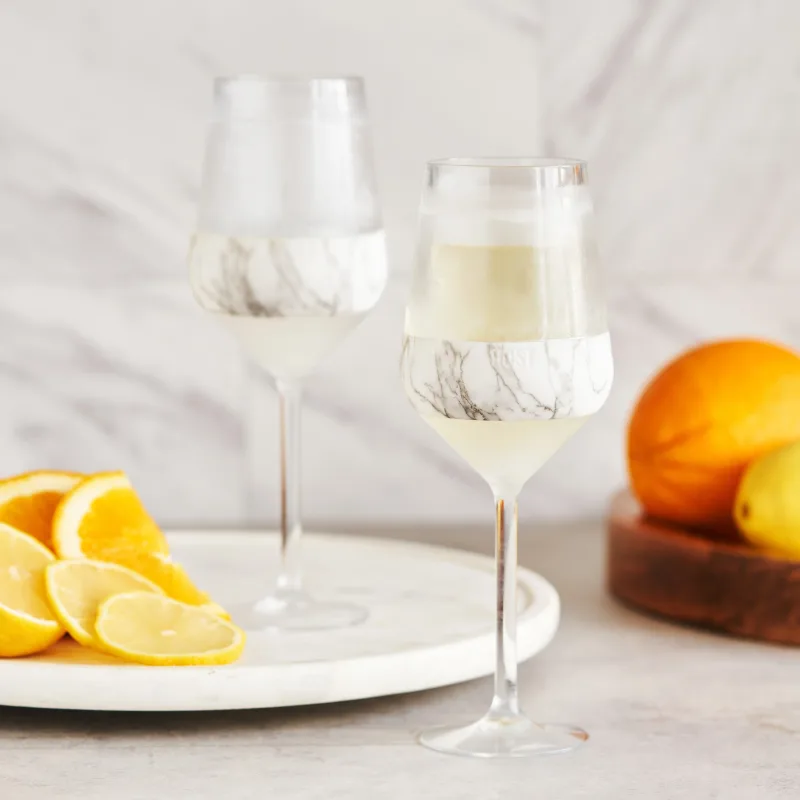
Freezer time matters more than people expect. A thin-walled cup chills in about two hours. A thick double-wall version — like the Stemmed Wine FREEZE™ in Marble, Set of 2 — needs closer to four. I keep two in the freezer at all times so there's always a cold pair ready, and rotate them back in as soon as they hit room temp.
How long does the chill last? On a warm evening, expect a solid 30 to 45 minutes before the gel thaws and the cup starts acting like a normal glass. That's plenty for one glass. For a second pour, swap in the backup cup.
Glass vs. Gel: Pick Based on the Table, Not the Wine
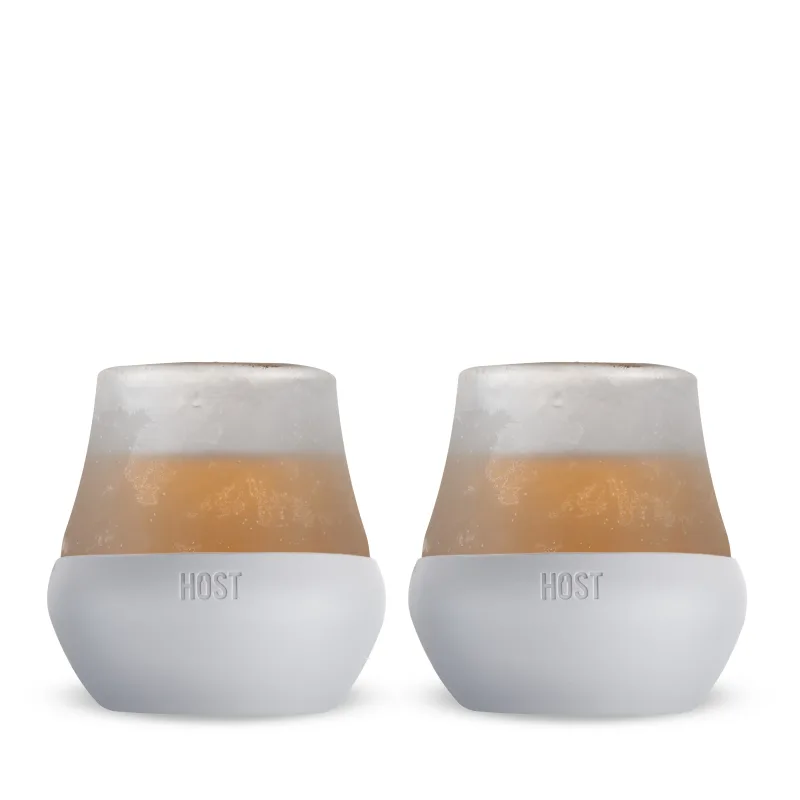
If you're pouring for guests at a set table, clear glass usually wins. People want to see the color of what they're drinking, and a tinted cup can make a light rosé look darker than it is. The Glass Tasting FREEZE™ in Gray, Set of 2 handles that nicely — double-walled glass with the same gel core, so it looks like stemware and performs like a chiller.
Gel-only cups make more sense outdoors. Pool decks, boats, camping tables, anywhere glass is a bad idea. They're also cheaper to replace and they survive a dishwasher cycle without the anxiety.
Hosting for a Crowd: Go Bigger
For parties, the small cups become a bottleneck. You'll spend the night rinsing and refreezing instead of talking to anyone. This is where the XL size earns its shelf space. A Wine FREEZE™ XL in Slate Blue, Set of 2 holds a larger pour and keeps it cold longer, which means fewer trips to the freezer while twelve people are standing around your kitchen island.
Lids are the underrated part. If you're pouring ahead — say, pre-chilling a batch of Sangria or setting up a self-serve station — lidded cups keep the cold in and the bugs out. They also stack in the freezer without the gel walls pressing against each other.
Cocktails and Beer Need Their Own Setup
Wine isn't the only thing that suffers from melted ice. A Martini is basically a temperature experiment: shake it too long and you've made a watery drink. A frozen cocktail glass solves half that problem before you even pick up the shaker.
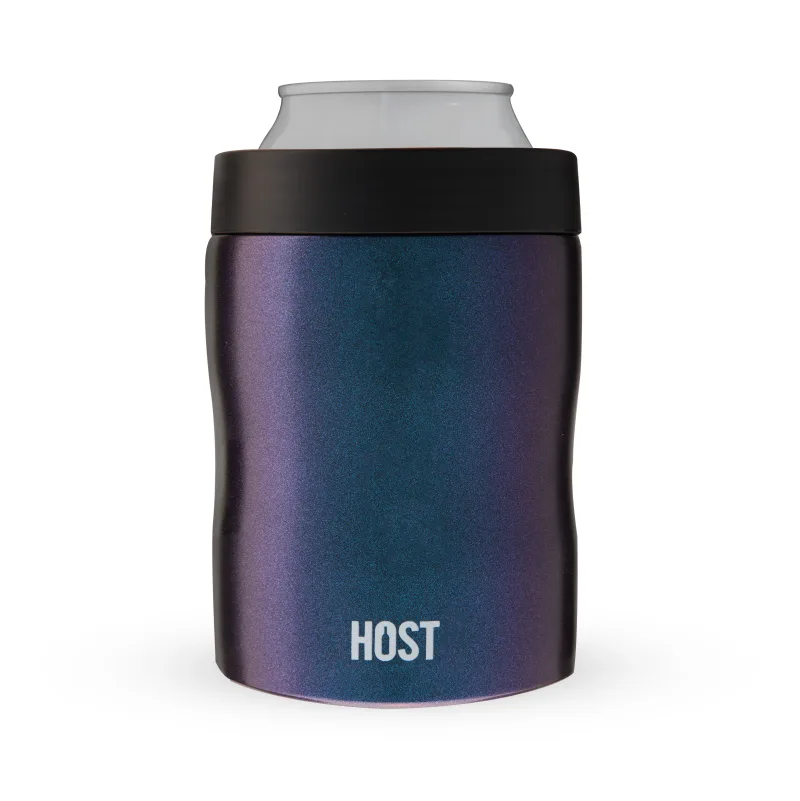
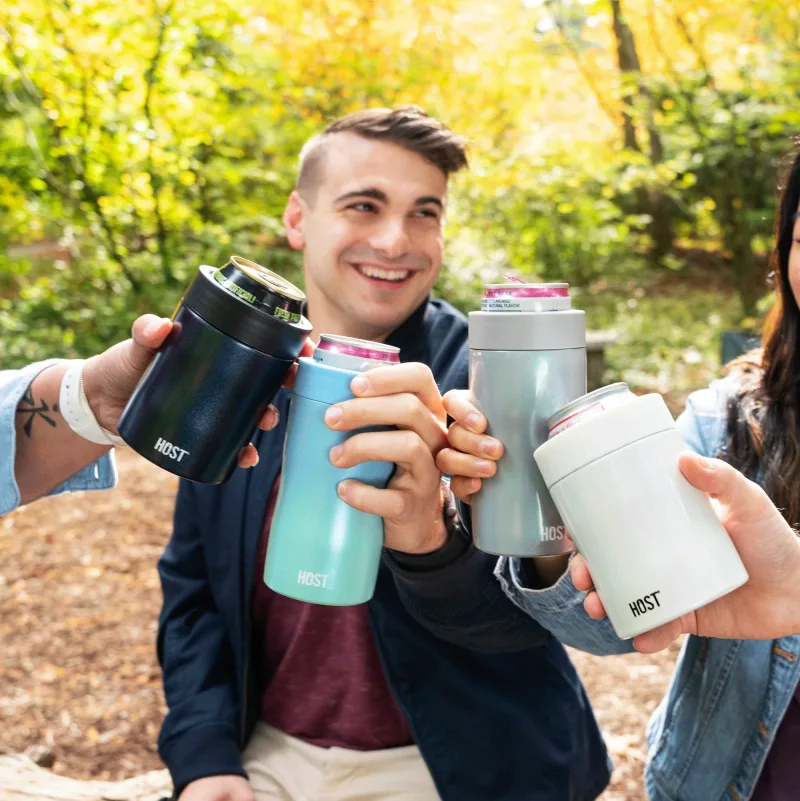
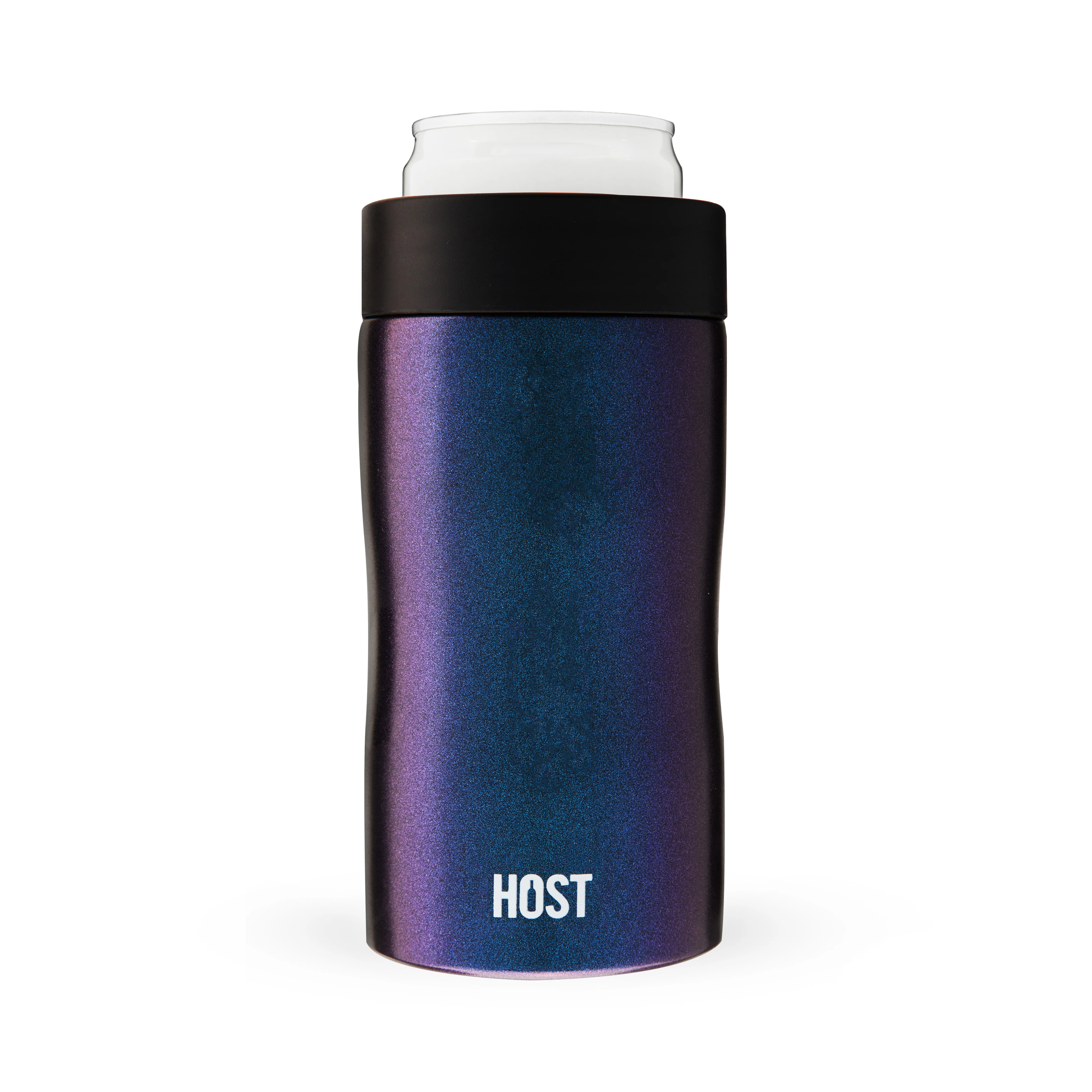
Beer is easier. A Stay-Chill Standard Can Cooler in Galaxy Black fits a standard 12-ounce can, keeps your hand from warming the aluminum, and stops the condensation ring on your coffee table. For slim cans — seltzers, most craft singles — you'll want the slim version instead, since a standard cooler will rattle around a narrow can.
A few practical notes I've learned the hard way:
- Don't freeze the cups empty for weeks on end. The gel expands slightly, and repeated deep freezes stress the seal. Two days max is fine.
- Never put a frozen cup in the microwave to speed up thawing. It cracks.
- Hand-wash the gel-lined ones if you want the wall to stay clear. Dishwashers are fine for the exterior, but the heat cycle clouds the inner surface over time.
- If you're chilling a bottle instead of a glass, a bucket of ice and water works faster than the freezer — 15 minutes versus 45.
Start with two cups in the freezer tonight. Tomorrow's first pour will taste like the wine you actually bought.